A stranger slumps onward at the coffee shop table. The chair scratches, the mug pointers, and discussion ices up. Everybody checks out for the person that recognizes what to do. You can be that individual. Relocating from bystander to lifesaver is much less regarding heroics and more regarding preparation, practice, and a tranquil checklist that stays in your hands due to the fact that you've rehearsed it. That is what an excellent first aid and CPR course offers you: exercised muscular tissue memory anchored by sound judgment.
What "first aid" truly covers
First aid is the immediate aid you provide prior to professional care gets here. It is not about changing doctors or extending beyond your skills. It is a focused bridge in between the moment something fails and the factor where a paramedic takes over. In useful terms, first aid covers air passage, breathing, and circulation, plus hemorrhaging control, shock monitoring, burns, choking, allergic reactions, diabetic lows, seizures, fainting, cold and heat emergencies, and minor injuries that require cleaning and dressing.
What shocks most students is just how much you can accomplish with clean hands, a little gauze, and an amazing head. A first aid training day is less a lecture on composition and even more a practice session for scenes that unfold unpredictably. You learn to scan for risk, make decisions in a messy environment, and use plain language to collaborate spectators and interact with emergency dispatchers.
Why a CPR course supports the ability set
CPR training concentrates on the minutes when the heart stops or beats so chaotically that it might also have actually stopped. Breast compressions and rescue breaths, integrated with an automated external defibrillator, can triple a person's opportunities of survival if delivered swiftly. The initial 3 to 5 mins in a cardiac arrest are unforgiving. Oxygen decreases, body organs stop working, and every 60 seconds without CPR tightens the window. A cpr course changes you from enjoying seconds shed away to using those seconds well.
For lay responders, contemporary guidelines stress hard, quick compressions at a price of approximately 100 to 120 per minute, with very little disruptions. The song that matches the beat operates in a pinch, yet rhythm is just half the tale. Depth issues too. Grownups need concerning 5 to 6 centimeters of upper body depression, then full recoil so the heart can re-fill. That full release is where learners stumble beforehand, especially when fatigue sets in. Excellent cpr training teaches exactly how to change compressors every 2 mins without shedding the rhythm.
The composition of a solid first aid course
A solid first aid course begins with a danger lens. Trainers ask where you live and function, what risks you encounter, and what you've currently dealt with. A busy kitchen has different risks from a storehouse, which looks various once again from a childcare center. When first aid courses adjust to context, students take in even more and remember longer. You might invest extra time on burns and cuts in hospitality, on crush injuries and hemorrhaging control in construction, or on asthma and anaphylaxis in schools.
The best programs fold situations into every module. You do not simply learn how to apply a pressure bandage; you do it while somebody plays the panicked coworker, the sound sidetracks you, and the clock maintains relocating. You do not memorize the healing setting by taking a look at slides; you roll a classmate onto their side, look for breathing, and wedge a hand under the cheek to safeguard the airway. First aid training that really feels untidy sticks.
Expect a balance of brief theory ruptureds and high-repetition practice. For instance, after 10 minutes on the physiology of shock, you may turn through stations: one for bleeding control making use of tourniquets and hemostatic dressings, one for identifying very early shock indications like clammy skin and rapid pulse, and one for comfortably directing an assistant to call emergency solutions while you boost legs and preserve warmth. It is not glamorous job, yet it is the kind that saves lives in regular settings.
The twin credential: first aid and CPR together
Combining first aid and CPR training makes good sense since genuine cases seldom respect tidy classifications. Consider an extreme allergic reaction where swelling threatens the respiratory tract, then the individual collapses. Or a sinking where spinal injury is feasible. A first aid and CPR course stitches the sequence together, teaching you how to transition from assessment, to respiratory tract protection, to compressions and AED placement without wasting time or composure.
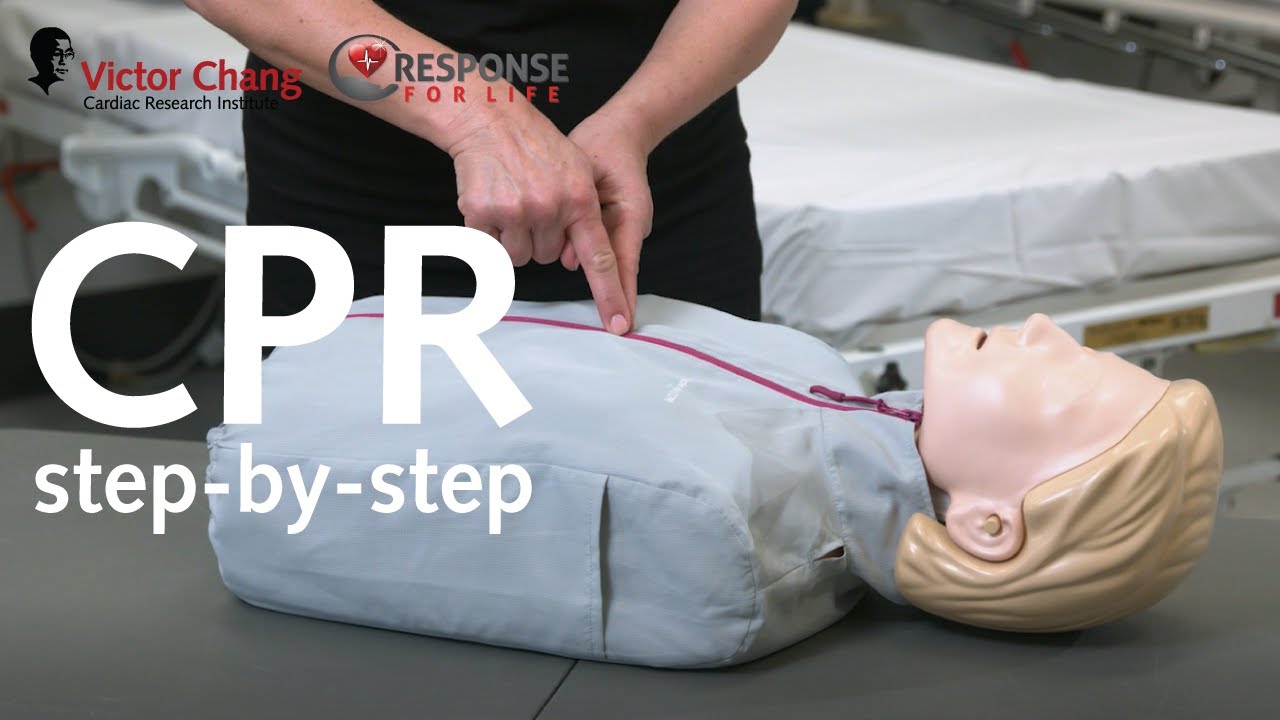
If you are selecting among first aid and cpr courses, try to find incorporated situations. The fitness instructor must not deal with CPR as an isolated skill block that lives besides the remainder of first aid. In the real world, you typically do a fast ABC check, after that move promptly into compressions when you discover no breathing. The most effective training courses make those handoffs feel all-natural. By the end of day one, you must have the ability to chat through your activities as you do them, not afterward.
What an AED actually does, and why it matters
The AED is the least intimidating piece of clinical equipment you will ever before make use of, and it is entitled to that credibility. Open up the cover and it talks with you. The device examines the heart rhythm and makes a decision if a shock is suggested. If it is, it asks you to stand clear and press a brilliant switch. Otherwise, it informs you to proceed CPR. A first aid and cpr course debunks the steps, including shaving a very hairy breast for pad adhesion, cleaning sweat, and placing pads on the best areas: top ideal chest and reduced left side for adults.
Key detail that training drills in: return to compressions instantly after a shock unless the tool informs you or else. Learners usually stop to seek signs of life, which costs blood circulation. The AED will lead, and you follow, compressions first, then reanalysis every 2 minutes. If you have a 2nd individual, they can manage the AED while you compress. If not, you take care of both, and a couple of seconds lost to pad positioning are better than waiting numerous mins for somebody else to get here. The AED is designed for one rescuer use.
Real instances, distilled lessons
A barista who finished a first aid course saw a heavyset normal turn ashy and glassy-eyed while standing in line. He raided the counter and slid down. She called out for someone to call emergency situation, touched his shoulder, and discovered no reaction. Breathing was missing. She started compressions and asked a close-by security guard to check for an AED. When paramedics got here, they provided a shock and took control of. The male endured. She credited the class not with magic yet with silencing her mind enough to do 3 things in order: inspect responsiveness, phone call for help, begin CPR.
Another student, a stockroom team lead, used bleeding control abilities when a strap broke and cut a colleague's lower arm. He recognized the arterial surge, used firm straight stress, and afterwards a tourniquet just over the injury when the bleeding soaked with. His group had an injury set on the forklift. He kept in mind the time of application and informed the paramedics precisely what he had done. Blood loss quit, the employee maintained, and the surgical procedure went efficiently. The distinction was not unique devices, it was educated hands and a clear mental design of how to rise stress, packaging, and tourniquet use.
How often to revitalize, and why it matters
Skills deteriorate. Data from training analyses recommend a recognizable drop in CPR top quality after 3 to 6 months without technique. That does not mean you need a complete cpr refresher course every quarter, however it does suggest you must seek routine hands-on refreshers, whether official or informal. Numerous workplaces schedule brief drills that last 10 to 15 minutes, simply enough to place your hands on a manikin and remind your body of the technicians. An annual cpr refresher course secures the behavior back in.
First https://caidenipou176.image-perth.org/choosing-the-right-cpr-courses-a-complete-purchaser-s-overview aid understanding fades a lot more slowly, yet procedures do alter, and self-confidence deteriorates without usage. Prepare for an extensive upgrade every 2 to 3 years, or earlier if your certification needs it. If you lug a first aid certificate for work, mark the expiry in your schedule and backstop it with micro-practice sessions after any kind of incident you handle. Debrief with associates or your instructor. Note what really felt smooth and what snagged.
Choosing an instructor: past the brochure
An excellent teacher is a coach and a skeptic. They strengthen what jobs and press you when your hand position wanders, your compressions superficial, or your scene safety check ends up being rote. Shop for first aid pro fitness instructors with deep field experience: paramedics, emergency nurses, or experienced initial -responders. Levels on the wall surface matter less than their ability to simulate genuine stress and anxiety and offer precise, encouraging feedback.
Look for courses that cover course dimension, ideally in the low teens, so you spend even more time with your hands on tools than in a chair. Ask the amount of manikins are available, what AED trainers you will use, and whether the class includes practical moulage for injury scenarios. In my experience, students bear in mind the odor of phony blood and the feeling of sticky handwear covers long after a slide deck has faded.
When and where to use improvisation
First help does not occur in a center. It occurs in kitchens, play areas, car park, airplanes, and silent rooms. Improvisation is part of the craft. A folded T-shirt becomes a pressure pad. A belt or triangular bandage comes to be a sling. A charge card helps flick out a stinger without squeezing more venom. A youngster's hoodie rolled behind the shoulders lifts a tiny air passage to neutral. First aid training encourages clever improvisation secured by concepts: straight pressure over blood loss, airway alignment, heat preservation, and marginal movement of possibly damaged spines.
The edge case is the stress to over-improvise. Tourniquets are an instance. A properly designed business tourniquet works naturally and quickly. A makeshift tourniquet can work in a pinch, but it is simple harm and hard to produce sufficient pressure without cutting the skin. If your environment has even a moderate danger of extreme bleeding, supply real gear and train with it.

Special populaces, sensible tweaks
Children are not little adults. For pediatric CPR, upper body compression deepness is about one third the chest's front-to-back dimension. For infants, utilize 2 fingers at the breast bone; for older children, 1 or 2 hands relying on dimension. Rescue breaths must be mild, simply enough to see the chest surge. Choking treatments also differ. For babies, you alternative back slaps with breast thrusts. Training manikins for pediatric technique make these distinctions concrete.
Pregnant patients present one more nuance. In late pregnancy, the enlarged uterus can press the vena cava when the patient exists level. Turning the person somewhat to the left or by hand displacing the uterus can enhance blood return. For someone with a dental implanted defibrillator or pacemaker, AED pads need to sit at least a few centimeters away from the tool bulge. If the chest is damp, completely dry it promptly before using pads to prevent present shunting. Piercings, if existing, do not require to be eliminated, just avoid positioning pads straight over metal.

Allergy and asthma need decisive action. For anaphylaxis, the epinephrine auto-injector is time vital. Infuse onsite CPR and first aid training right into the external upper leg, with clothing if required, hold for the advised seconds, after that massage. If breathing is compromised or signs persist, a 2nd dosage might be needed, typically after five to 10 mins, depending upon the gadget's directions and regional standards. For bronchial asthma, utilize a spacer with the inhaler if offered. Supply one puff at a time, with 4 to six breaths between smokes. These are tiny details with large consequences.
What the certification represents
A first aid certificate or CPR certification is not simply paper to satisfy a job requirement. It is an agreement with yourself and your community. It says you have practiced the essentials enough to appear under anxiety, follow a series, and keep going when your arms shake. It also says you acknowledge your limitations. You recognize when to hold back precautions, when to reject to relocate someone without an engaging reason, when to go back from an unsafe scene and wait on firemans, and when to shield on your own with handwear covers and eye shield.
Depending on the territory, certificates run out every one to 3 years. Some employers call for details components, such as psychological wellness first aid, oxygen management, or advanced blood loss control. If you monitor groups in higher-risk atmospheres, it is smart to go beyond the minimum. The price difference between a baseline class and an extensive first aid and cpr course generally runs to a few additional hours and a modest fee, while the worth in a situation is immeasurable.
Building a simple, wise kit
You do not require a backpack that looks like an ambulance. Maintain a compact set in your automobile or desk and ensure your office package is equipped. Concentrate on things that solve typical problems: handwear covers, gauze, triangular bandages, flexible covers, adhesive tapes, disinfectant wipes, a CPR face shield or mask, an aluminum foil blanket, and a tourniquet ranked for scientific use. If you care for kids, include tiny adhesive bandages and a digital thermometer. If you trek, include sore pads and an irrigation syringe for cleaning up wounds.
Two policies make kits really beneficial. First, open and practice with the gear you carry. If you have actually never ever tightened your tourniquet or unwrapped your hemostatic gauze, you are not prepared. Second, put a restock card in the set. When you make use of an item, create it down and replace it that week. A first aid kit becomes a box of wrappers faster than people think.
A functional, memory-first series for cardiac arrest
Below is a portable checklist that numerous students locate unforgettable under stress and anxiety. Use it as a mental metronome.
- Check security, faucet and yell, try to find normal breathing. Call emergency or indicate an onlooker to call and fetch an AED. Start compressions: facility of chest, 100 to 120 per min, 5 to 6 centimeters deepness, full recoil. Attach AED when it arrives, follow its motivates, resume compressions immediately after any type of shock. Switch compressors every two minutes if help is offered, decrease pauses.
Practice this series aloud in class until your mouth and hands move with each other. The objective is not speed up for its very own sake. It is smoothness, with no lengthy gaps.
Fear, hesitation, and the inner voice that talks you out of acting
The most usual factor people not do anything is not ignorance. It is fear of doing damage. That worry is understandable and it eases with practice. In cardiac arrest, the individual is clinically dead without treatment. Effective CPR does not make them even worse. Broken ribs might take place, particularly in older grownups, which serves in the context of conserving a life. In hemorrhaging control, the concern of a tourniquet causing irreversible injury is outdated when the gadget is used correctly and the time is tracked. Modern evidence sustains early tourniquet use for dangerous limb bleeding.
There is likewise the concern of condition transmission. Barriers like a CPR mask and handwear covers reduce threat, yet chest-compression-only CPR remains an alternative if you hesitate or not able to supply breaths. One of the most essential action is to begin compressions quick. When you think about all these worries in advance, and practice words you will certainly claim, the interior argument quiets. A first aid pro instructor will help you manuscript those initial seconds.
Legal defenses and acting in excellent faith
Good Samaritan laws in several areas safeguard lay rescuers that act sensibly and in good confidence. Practical ways within your training and without gross neglect. You are not obligated to be perfect, you are obligated to attempt within a reasonable framework. If you hold a first aid certificate, your training gives you the requirement to fulfill: scene security, approval when feasible, clear interaction, and suitable escalation. If you should quit because the scene becomes dangerous, you change to a support role and relay info to arriving professionals.
Document what you did if the occurrence takes place at the workplace. A brief, factual note with times, observations, and treatments helps with connection of care and future discovering. Prevent editorial comments. Adhere to what you saw and did.
The worth of rep and reasonable feedback
There is no substitute for responses that determines what your hands and eyes are really doing. Modern CPR manikins can report compression deepness, rate, and recoil. If your program includes this tools, you will certainly see your numbers in genuine time and change. Without comments, many learners compress too shallowly and stop also long throughout changes. The fix is 10 minutes of assisted experiment specific mentoring. That single session can double the efficient flow your compressions generate.
Scenarios expose unseen areas too. For instance, numerous students forget to look under a patient's body for covert blood loss after a fall. Others miss out on the soft indicators of interior blood loss after a blunt injury when outside wounds look minor however the person becomes pale and agitated. Repetition installs these check out your circulation. Teachers often state, sluggish is smooth and smooth is fast. The point is not actual sluggishness, it is deliberate accuracy that avoids backtracking.
When to stress asking for help
Not every issue needs hands-on treatment first. A seizure that settles in under 2 minutes could call for security from injury and quiet peace of mind while you time the event. Someone with crushing chest pain who is still conscious demands calm, setting of comfort, and a pain killers otherwise sensitive or contraindicated, after that a prompt ambulance reaction. Calling early while symptoms advance gets time, and it prevents the trap of waiting to see if it improves. The rule of thumb is basic: if you assume you could need an ambulance, you probably do. Make the call, then maintain assessing.
How to keep learning after your course
Competence grows in layers. After your preliminary first aid and cpr course, add concentrated components based upon your globe. If you trainer young people sports, discover more about trauma administration and warmth health problem. If you hike or function outdoors, take a wilderness first aid course that covers discharge decisions when help is hours away. If you operate in a lab, add chemical burn protocols and eyewash station drills. Each layer includes nuance without bloating your core reaction sequence.
Peer practice is underrated. Once a quarter, grab two associates, established a ten-minute timer, and run a micro-scenario. A single person plays the individual, one leads the reaction, one observes and offers comments. Revolve roles. Use what you have around you, not a perfect training room. The point is not theatrical accuracy. The point is rubbing: loud rooms, uncomfortable furnishings, missing out on products, and the daily obstacles that make real saves challenging.
A brief detailed for hemorrhaging control you can recall under pressure
Here is a portable series for dangerous exterior bleeding.
- Expose the injury rapidly, apply direct pressure with gauze or any kind of tidy cloth. If bleeding soaks with, do not eliminate the very first layer, include more and press harder. If still bleeding greatly from an arm or leg, apply a business tourniquet high and limited, keep in mind the time. For junctional wounds in the groin or armpit, pack with hemostatic gauze and hold solid stress for numerous minutes. Keep the person cozy, monitor for shock, and turn over details to paramedics.
In course, you will certainly exercise this until your hands find the right amount of force without guesswork. The pressure needed is above lots of people understand, which is why hands-on repetitions matter.
The path from spectator to lifesaver
The difference in between seeing and acting boils down to three things you manage today. First, invest a few hours in a quality first aid and cpr course. Second, keep your skills alive with a cpr refresher course on a routine tempo and brief technique in between. Third, bring a marginal package you understand how to utilize. None of this turns you right into a paramedic. It does something quieter and more reputable. It implies that when a chair scratches the flooring and a mug shatters on ceramic tile, your mind grabs a practiced checklist as opposed to panic.
People bear in mind the sound of your voice more than anything you made with your hands. In emergency situations, tranquil language creates order. I am trained in first aid. You are going to be okay. I am examining your breathing. You, please call a rescue and bring the AED from the entrance hall. Statements like these punctured sound and offer others helpful jobs. It is not theatrics, it is management, and it is readily available to anybody who has actually rehearsed the basics.
Your preparedness is an area asset the moment you earn your first aid certificate. It takes a trip with you to the café, the train, the sideline, the back workplace at shutting time, the family members supper. Crashes and sudden diseases do not wait on specialists, but they do listen to ability and stable hands. Train well, freshen usually, and be the person that progression when it counts.